

Establishing a strong online presence is crucial for finding new local leads for your architecture practice. Local SEO helps architects and firms navigate the digital landscape effectively, reaching the local audience with precision. Unlike broad SEO strategies that cast a wide net, local SEO focuses on ‘near me’ searches and local queries. This approach makes your practice more visible to potential clients within your geographical area. This guide explores actionable strategies for leveraging local SEO to boost your online visibility. By following these steps, architects can attract local projects and clients more effectively.
The journey reveals essential tools and techniques for creating an online presence that ranks well and resonates within your community. Establishing a strong online presence is crucial for finding new local leads for your architecture practice. Local SEO helps architects and firms navigate the digital landscape effectively, reaching the local audience with precision. Unlike broad SEO strategies that cast a wide net, local SEO focuses on ‘near me’ searches and local queries. This approach makes your practice more visible to potential clients within your geographical area.
This guide explores actionable strategies for leveraging local SEO to boost your online visibility. By following these steps, architects can attract local projects and clients more effectively. The journey reveals essential tools and techniques for creating an online presence that ranks well and resonates within your community.
Understanding Local Search Behaviour
The way potential clients seek architectural services has evolved, with local search becoming a critical pathway for discovery. Searches like “architects near me” or “best architectural firm in [Location]” are increasingly common, highlighting the necessity for architects to optimize for local SEO. Google’s Local Pack, displaying a map and a list of three local businesses directly in search results, underscores the value of local visibility.
This feature dramatically increases the chances of a firm being contacted, as it offers immediate information—such as business hours, reviews, and location—right at the searcher’s fingertips. Understanding these local search behaviours is crucial for architects aiming to capture the attention of potential clients in their vicinity, necessitating a strategic approach to local SEO that aligns with how people search for their services.
Optimizing Your Website for Local SEO
For architects, a website optimized for local SEO is not just a digital portfolio but a beacon attracting local clients. Incorporating local keywords—such as the city or region you serve—into content, titles, and meta descriptions signals to search engines the relevance of your site to local searches. Beyond keywords, optimizing your website’s structure and user experience plays a significant role in catering to local queries.
Creating location-specific pages for firms with multiple offices or service areas enhances local SEO effectiveness by providing targeted information to search engines and users alike. Ensuring your website is mobile-friendly is also crucial, as a significant portion of local searches are conducted on mobile devices. By refining your website with a local SEO lens, architects can ensure their practice stands out in the crowded digital landscape, making it easier for local clients to find and engage with their services.
Leveraging Google Business Profile for Architects
Google Business Profile (previously Google My Business (GMB)) stands as a cornerstone for any local SEO strategy, particularly for architects. Claiming and optimizing your Google Business Profile listing not only enhances your visibility in Google’s Local Pack but also improves your overall local search presence. Essential steps include verifying your business information, adding a comprehensive description of your architectural services, and incorporating relevant categories.
Utilizing Google Business Profile features like posts, photos, and services can significantly engage potential clients, showcasing your latest projects, awards, or community involvement. Encouraging satisfied clients to leave reviews on your Google Business Profile profile further boosts your local SEO, as reviews play a crucial role in local search rankings and client decision-making. For architects, a well-maintained Google Business Profile listing is a powerful tool, bridging the gap between your firm and the local community seeking your expertise.
Local SEO Citations and Backlinks
For architectural firms, establishing a robust local online presence extends beyond your website and Google Business Profile listing. Local citations and backlinks play a pivotal role in enhancing your local SEO footprint. A citation, mentioning your firm’s name, address, and phone number (NAP) on local business directories, architectural industry portals, and community sites, boosts your visibility and authenticity in local search results. Prioritise accuracy and consistency in your NAP information across all platforms to strengthen your local SEO efforts.
Additionally, securing backlinks from reputable local businesses, architecture blogs, and regional news outlets further asserts your firm’s relevance and authority to search engines. Engaging in local community projects or architectural events can also yield valuable backlink opportunities, enriching your local link profile and driving targeted local traffic to your site.
Managing Online Reviews and Testimonials
Online reviews are the digital word-of-mouth, significantly influencing your architectural firm’s reputation and local search rankings. Encouraging satisfied clients to share their positive experiences on your Google Business Profile and other review platforms enhances your credibility and appeals to potential clients researching local architectural services. However, managing online reviews extends beyond simply collecting positive feedback.
Addressing negative reviews with professionalism and a constructive approach demonstrates your commitment to client satisfaction and can often turn a less favourable review into a positive showcase of your firm’s values. Actively monitoring and responding to reviews, thanking clients for their feedback, and resolving any issues promptly are best practices that underscore the importance of reviews in a successful local SEO strategy.
Local SEO Content and Social Media
Local content creation offers architects a unique avenue to connect with their community while boosting local SEO. Blog posts that highlight local architectural trends, case studies of regional projects, or participation in local community events not only engage your target audience but also signal to search engines your relevance to specific localities. Sharing this content on social media platforms increases its reach and engagement, further supporting your local SEO goals.
Platforms like Instagram, particularly visual, serve as ideal channels for architects to showcase their work, highlight local landmarks or projects, and engage with a local audience. By aligning your content and social media strategies with local interests and search queries, architects can enhance their online visibility and position themselves as active participants in their local architectural community.
The Importance of Mobile Optimisation in Local SEO
As architects, you are used to working on a large screen desktop computer, and sitting at a desk to do your work. This often leads you to think about your own website purely from the point of view of a desktop view. But it’s important to consider different times that someone may be searching for your services and using different devices to do so. For example, a search for your address or telephone number may be done on a mobile device, so it’s important to consider fast navigation. Or a passive search on the sofa at night looking for local residential architects could be the deciding factor for who to engage.
Google moved to a mobile-first indexing model in July 2024. What does this mean? It means that from July 2024 Google is searching your mobile website first, and your desktop website second making the desktop version less important in their eyes. Why is this important? This can have a major impact on how well your website is indexed. If the desktop version is great but the mobile version is a let-down then you could lose positions across all devices.
You can improve this in a few ways… make sure that your website loads quickly, has clear and accessible navigation, and presents readable content that fits appropriately on smaller screens. Make sure to test your website on mobile, don’t assume it works well. Focus on usability and make mobile your priority!
Keyword Research for Local SEO: Finding the Right Terms
Architects’ clients are looking to build something. So location is often defined by their project. But there are often two considerations here:
- Appearing in local search results e.g. architect near me
- Appearing in local search results for areas you are capable of traveling to.
There is nothing you can do with keywords to help rank for terms such as “near me” or “local” as Google understands the context of the users search intention — they want to find someone in proximity to their GPS browser location — but you can use keywords to help appear in other location-based searches e.g. ‘Architects in Chicago’ or ‘Architects in London’. By appearing higher in these search results allows you to capture potential leads and understand the intention of their search.
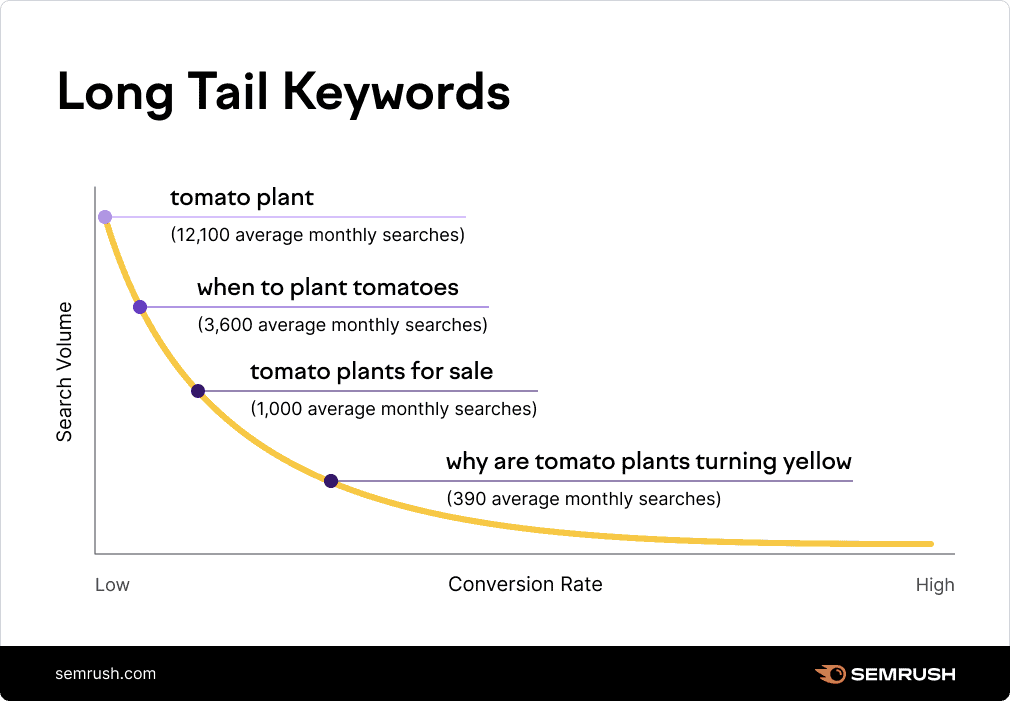
One of the factors that is changing search behaviour is the introduction of AI in search results. This means that users are moving from simple search terms to longer questions. So rather than terms such as ‘Architects in Chicago’ we now find ourselves having to optimize for searches such as ‘Do I need a residential architect for my project?’. This change means that we look at short-tail keywords AND long-tail keywords.
Creating Location-Specific Landing Pages
Creating Location-Specific Landing Pages is a simple way to create focused content for a user who is searching for a keyword. As we discussed, ‘Do I need a residential architect for my project?’ could be a search term (btw, this is a made-up example not an exact term) and we could optimize a page for this term by using the keyword within the content of the page.
A good rule of thumb is to use the keyword 1-2% of the time. Any more and it looks terrible, and Google will consider this as spammy tactics.
The easiest way to start implementing Location-Specific Landing Pages is to use your website’s blog function. Consider each location, and write articles where you can use the keyword. Write in-depth, useful content so that you present to Google AND the user that you are an authority on the subject. Writing 200 words of generic text won’t work. Think about the user’s experience and Google will be happy.
You might find that some keywords are quite similar and you are struggling to think of ways to make it different. A little trick we use is to look at evergreen stories in each location. For ‘San Francisco Architects’ I might write about the city in general, but when I’m writing about ‘Bernal Heights Architects’ (a district within San Francisco) I look at key thinks about Bernal Heights to write about, such as the park, or the special use permits required.
Schema Markup and Structured Data for Local SEO
When it comes to Local SEO, simply having the right keywords isn’t enough. To truly optimize your architecture firm’s online presence, you need to help search engines understand the context of your content. This is where schema markup and structured data come into play. Schema markup is a form of microdata that you can add to your website’s HTML to improve the way your page is represented in search engine results. It essentially acts as a translator, helping search engines like Google to interpret your content more accurately, leading to better visibility in local search results.
For architects, this could include using local business schema to highlight your location, opening hours, and services. You can also use review schema to display star ratings directly in the search results, which can significantly increase your click-through rate. Additionally, implementing FAQ schema for common questions about your services can help you secure a spot in the coveted “People Also Ask” section of Google. Tools like Google’s Structured Data Markup Helper can assist in implementing these schemas without needing to be a coding expert.
By integrating schema markup into your Local SEO strategy, you provide search engines with clearer signals about your business, making it easier for potential clients to find you when they search for architectural services in your area.
Optimizing for Voice Search in Local SEO
The rise of voice search is transforming the way people interact with search engines, and it’s becoming increasingly crucial for Local SEO. With devices like Amazon’s Alexa, Google Home, and Siri becoming household staples, more users are taking advantage of voice search to find local services. For architects, this means optimizing your website for voice search queries is essential to capturing this growing segment of search traffic.
Voice search differs from traditional text-based search in that queries are often longer, more conversational, and typically phrased as questions. For example, instead of typing “architects near me,” a user might ask, “Who is the best architect in my area?” To capitalise on this trend, your content needs to reflect these natural language patterns. Much like we discussed earlier, focusing on incorporating long-tail keywords and question-based phrases within your content will help significantly here. Additionally, creating an FAQ section that addresses common client queries can help you rank for these voice search queries.
Ensuring your website loads quickly, is mobile-friendly, and has concise, easy-to-read content are also crucial factors, as these are key elements that search engines consider when delivering voice search results. Optimizing for voice search not only keeps your architecture firm ahead of the curve but also ensures you’re visible where your clients are increasingly looking.
Using Google Maps and Local Listings to Boost Visibility
Being visible on Google Maps is a game-changer for Local SEO, especially for architects. When potential clients search for architectural services near them, appearing in the local pack—a prominent feature that shows businesses near the searcher’s location—can significantly increase your chances of attracting new clients. This is why optimizing your presence on Google Maps and other local listings is crucial.
Start by ensuring your Google Business Profile (formerly Google My Business) is fully optimized. This includes accurate and consistent NAP (Name, Address, Phone number) information, a well-written business description, and a selection of high-quality images showcasing your work. Encourage satisfied clients to leave reviews on your profile, as these not only improve your credibility but also play a role in local rankings.
Embedding a Google Map on your website’s contact page can also enhance your local SEO efforts. It provides a direct link to your location, making it easier for potential clients to find you. Additionally, make sure your architecture firm is listed in other reputable local directories, such as Yelp, Houzz, and industry-specific platforms. Consistency across all listings is key—any discrepancies can confuse search engines and harm your rankings.
By focusing on your Google Maps and local listings optimisation, you make it easier for clients to discover your firm and increase your visibility in local search results, ultimately driving more business your way.
Building Local Partnerships and Sponsorships for SEO Benefits
Building local partnerships and sponsoring community events is a powerful way to boost your Local SEO while fostering goodwill within your community. For architects, collaborating with local businesses, real estate developers, or even schools and non-profits can open doors to new opportunities and create valuable backlinks to your website.
Partnerships often lead to natural mentions of your firm on local blogs, news sites, or social media, which search engines view as credible backlinks. These not only improve your SEO but also enhance your reputation within your locality. For instance, if your firm partners with a local charity to sponsor a design competition or provides pro bono work for a community project, these activities are often covered by local media. These stories, when linked to your site, boost your local SEO rankings and bring you closer to your community.
Sponsorships are another avenue for building local links. Whether you’re sponsoring a local art exhibit, a cultural festival, or a charity run, your firm’s name will likely be featured on promotional materials, websites, and social media posts, all of which can generate valuable backlinks. These local connections not only enhance your visibility in search results but also establish your firm as a committed, community-oriented business.
Using Local Events and Community Engagement for SEO
Leveraging local events and community engagement can provide a significant boost to your architecture firm’s online visibility. By actively participating in or sponsoring local events, you not only strengthen your ties with the community but also create opportunities for generating valuable backlinks, mentions, and increased traffic to your website.
Start by identifying local events that align with your firm’s values and services. This could include sponsoring a local art exhibition, participating in community design projects, or hosting an architecture workshop. When your firm is associated with these events, your name and website are often featured on event promotional materials, local news outlets, and community blogs. These mentions, especially when linked to your website, are powerful local SEO signals that search engines use to determine your relevance to the local area.
Additionally, consider creating content around these events. For instance, write blog posts that recap your involvement, share insights from the event, or highlight your contributions to community projects. This not only provides fresh, locally relevant content for your website but also enhances your reputation as a firm that is actively engaged in its community.
Another effective strategy is to collaborate with local organisations or non-profits on projects that benefit the community. Whether it’s designing a public space or contributing your expertise to a charitable initiative, these collaborations often result in local press coverage and positive online mentions.
Tracking and Analyzing Local SEO Performance Metrics
Effective Local SEO isn’t a one-time task—it’s an ongoing process that requires continuous monitoring and refinement. For architects, tracking and analyzing local SEO performance metrics is crucial to understanding what strategies are working and where improvements are needed. By regularly evaluating these metrics, you can adjust your tactics to ensure your firm remains visible and competitive in local search results.
Start by focusing on key metrics that directly impact your Local SEO. These include local search rankings, organic traffic, click-through rates (CTR) from local search results, and conversion rates for location-specific landing pages. Tools like Google Analytics, Google Search Console, and specialised Local SEO platforms such as BrightLocal can provide valuable insights into how well your strategies are performing. For instance, tracking which keywords are driving traffic to your site can help you refine your content and targeting strategies.
Additionally, keep an eye on your Google Business Profile performance metrics, such as the number of views, clicks on your phone number, and requests for directions. These insights reveal how users are engaging with your profile and can highlight areas for optimisation.
Optimizing Images and Videos for Local Search
Optimizing images and videos is often an overlooked opportunity for architects to enhance their online visibility. High-quality visuals are essential for showcasing your work, but without proper optimisation, they can be easily missed by search engines and potential clients alike. You can boost your local search rankings and provide a richer user experience on your website.
Start by ensuring that your images are properly labelled with local keywords. For example, if you’ve completed a project in a specific area, include the location in the image file name, alt text, and caption. This helps search engines understand the context of the image, making it more likely to appear in local search results. Additionally, consider geo-tagging your images with the specific location data where the project was completed.
When it comes to videos, similar principles apply. Include local keywords in the video title, description, and tags. If your videos are hosted on platforms like YouTube, make sure to link back to your website and include your location information in the video’s metadata. Embedding videos on your website that highlight local projects or community involvement can also improve your local SEO, as video content is highly engaging and can lead to longer user sessions.
How to Handle Multi-Location SEO for Architecture Firms
For architecture firms with multiple locations, managing Local SEO can be a complex task. Each location must be treated as a separate entity with its own distinct SEO strategy to ensure that all offices are visible in local searches. Successfully handling multi-location SEO involves creating tailored content, managing multiple Google Business Profiles, and maintaining consistency across all listings.
Start by creating unique landing pages for each location. These pages should include location-specific keywords, address details, and tailored content that speaks to the local market’s needs and preferences. Highlight the projects completed in that area, feature testimonials from local clients, and include local imagery to create a strong connection with the community. Avoid duplicating content across these pages, as search engines penalise duplicate content, which can hurt your rankings.
Managing multiple Google Business Profiles is also crucial for multi-location SEO. Each profile should be fully optimized with accurate and consistent NAP (Name, Address, Phone number) information. Encourage reviews for each location and respond promptly to customer feedback to boost your visibility and reputation in each market. Additionally, ensure that all online directories and local citations reflect the correct information for each location.
The Role of Local Directories in SEO
Local directories play a vital role in boosting your architecture firm’s Local SEO by improving your online presence and generating valuable backlinks. Being listed in reputable local directories not only increases your visibility in search results but also enhances your credibility with potential clients and search engines alike. For architects, leveraging local directories is a key strategy in establishing a strong local presence.
Start by identifying and listing your firm in the most relevant local directories, such as Yelp, Houzz, Angi, and other industry-specific platforms. Each listing should include consistent NAP information, a compelling business description, and high-quality images of your work. Consistency is crucial—discrepancies in your business name, address, or phone number across different directories can confuse search engines and harm your local rankings.
In addition to general local directories, consider listing your firm in industry-specific directories that cater to architects and related professions. These specialised directories often carry more weight in search engines’ algorithms, particularly for niche industries like architecture. Furthermore, many local directories allow clients to leave reviews, which can further enhance your Local SEO when managed effectively.
Integrating Local SEO with Paid Search Strategies
While organic Local SEO is crucial for long-term success, integrating it with paid search strategies can provide an immediate boost in visibility and lead generation for your architecture firm. Combining these two approaches allows you to dominate the search results page, capturing both organic and paid traffic and ensuring your firm remains top of mind for potential clients.
One effective strategy is to use Google Ads to target local keywords that align with your SEO efforts. By bidding on location-specific search terms such as “architects in [city]” or “residential architecture services near me,” you can ensure your firm appears at the top of the search results, even if your organic rankings are still climbing. Additionally, using location extensions in Google Ads can enhance your local presence by displaying your address, phone number, and a map alongside your ad, making it easier for users to find and contact you.
Paid search also offers the benefit of precise audience targeting. You can use geo-targeting to focus your ads on specific regions, cities, or even neighbourhoods, ensuring that your message reaches the most relevant audience. This is particularly useful for architecture firms looking to expand into new markets or promote specific services in a targeted area.
Understanding and Leveraging User-Generated Content for Local SEO
User-generated content (UGC) is a powerful tool that can significantly enhance your Local SEO efforts. For architects, UGC can take many forms, including client reviews, testimonials, photos, and even social media posts from satisfied customers. When properly leveraged, this content not only boosts your online reputation but also sends strong signals to search engines that your firm is trusted and valued by the community.
Encouraging your clients to share their experiences through reviews and testimonials is a great way to start. Positive reviews on platforms like Google Business Profile, Yelp, and Houzz can directly influence your local rankings and attract more clients. Additionally, reviews often include local keywords naturally, which can further boost your SEO. Actively responding to reviews—both positive and negative—demonstrates your firm’s commitment to client satisfaction and can improve your online reputation.
Photos and videos shared by clients on social media can also contribute to your Local SEO. Encourage clients to tag your firm or use a specific hashtag when posting about their projects. Not only does this generate organic content for your firm, but it also creates backlinks to your website when these posts are shared across social platforms. You can showcase this content on your website or social media profiles, providing social proof and enhancing your firm’s credibility.
Staying Updated with Local SEO Algorithm Changes
SEO is constantly evolving, and staying updated with algorithm changes is essential for maintaining your architecture firm’s online visibility. Google frequently updates its search algorithms to improve the accuracy and relevance of search results, and these changes can have a significant impact on your Local SEO performance.
To stay ahead of the curve, it’s important to monitor reputable SEO news sources such as the Google Webmaster Blog, Moz, and Search Engine Journal. These platforms regularly publish insights and analyses on algorithm updates, helping you understand how changes may affect your Local SEO strategy. For instance, recent updates have placed greater emphasis on mobile-friendliness, page speed, and user experience—factors that are now crucial for ranking well in local search results.
Another key area to watch is Google’s local search updates, which often involve changes to how Google Business Profiles, reviews, and local citations are prioritised in search results. By keeping track of these updates, you can quickly adjust your strategies, such as optimizing your Google Business Profile, refreshing your local content, or enhancing your review management practices.
Adapting to algorithm changes is not just about reacting; it’s about being proactive. Regularly audit your Local SEO strategy to ensure it aligns with the latest best practices and search engine guidelines.
The Impact of Online Citations on Local SEO
Online citations are an essential component of Local SEO, especially for architects looking to establish a strong presence in their community. A citation is any mention of your business’s name, address, and phone number (NAP) on the web, whether it appears in online directories, social media profiles, or local business listings. The consistency and accuracy of these citations across the internet play a critical role in boosting your local search rankings.
For architects, ensuring that your NAP information is consistent across all online platforms is crucial. Inconsistent or incorrect citations can confuse search engines, leading to lower rankings and reduced visibility. Begin by conducting a thorough audit of your existing citations. This includes checking major platforms like Google Business Profile, Yelp, and Houzz, as well as niche industry directories and local business listings. Correct any discrepancies you find to ensure uniformity across all mentions of your firm.
In addition to maintaining consistency, focus on building high-quality citations on authoritative local directories and industry-specific websites. Not all citations are created equal; citations from well-regarded sites carry more weight with search engines. Moreover, citations that include additional information, such as your website URL, services offered, or business hours, provide more value both to users and search engines.
Best Practices for Local Link Building
Link building is a cornerstone of SEO, and when it comes to Local SEO, the focus shifts to acquiring high-quality links from locally relevant and authoritative websites. For architects, local link building is an opportunity to connect with the community, build relationships, and improve your firm’s search engine rankings.
Start by seeking out local partnerships that can lead to valuable backlinks. Collaborating with local businesses, non-profits, or educational institutions can often result in natural links to your website. For instance, if your firm sponsors a local event or contributes to a community project, these organisations may mention your firm on their website, providing a link back to yours. These locally relevant backlinks are powerful signals to search engines that your firm is a trusted member of the community.
Another effective strategy is to engage with local media. Reach out to local newspapers, magazines, or blogs and offer to contribute expert commentary on architecture-related topics. Being featured in local publications not only increases your visibility but also often includes a backlink to your site. Additionally, consider creating and promoting local content, such as blog posts about local architecture trends or case studies of projects in your area. When shared and referenced by others in the community, this content can generate further backlinks.
Remember, the quality of the links is more important than the quantity. Focus on building relationships with reputable local websites that can provide meaningful, context-rich links. By following these best practices for local link building, your architecture firm can strengthen its local SEO and attract more clients from your community.
The Future of Local SEO for Architects: Trends and Predictions
As technology evolves, so too does the landscape of Local SEO. For architects looking to stay ahead of the curve, it’s essential to keep an eye on emerging trends and prepare for the future of Local SEO. By anticipating these changes, your firm can maintain a competitive edge and continue to attract local clients in an increasingly digital world.
One major trend is the growing importance of mobile search and voice search. As more users rely on mobile devices and voice-activated assistants to find local services, architects must optimize their websites and content for these platforms. This includes ensuring fast mobile load times, creating content that answers common voice search queries, and focusing on long-tail, conversational keywords.
Another trend to watch is the integration of artificial intelligence (AI) and machine learning into search algorithms. These technologies are making search engines smarter and more capable of understanding user intent. For architects, this means creating content that is not only keyword-optimized but also provides genuine value and relevance to the user. AI-driven personalisation will likely become more prevalent, making it important for local businesses to tailor their online experiences to individual users.
Local SEO will also see an increased focus on hyperlocal targeting and personalisation. As search engines become more sophisticated, they will place greater emphasis on delivering results that are highly relevant to a user’s immediate location. Architects can capitalise on this trend by creating content and campaigns tailored to specific neighbourhoods or communities within their service areas.
Finally, the role of online reviews and user-generated content will continue to grow. As consumer trust in traditional advertising declines, reviews and testimonials will become even more critical to Local SEO. Architects should prioritise review management and encourage satisfied clients to share their experiences online.

































